Extraction and drying
Water extraction and structural drying
When there is water on the floor and more of it in the walls, extraction comes first and drying follows. A call connects you with an independent contractor that does both.
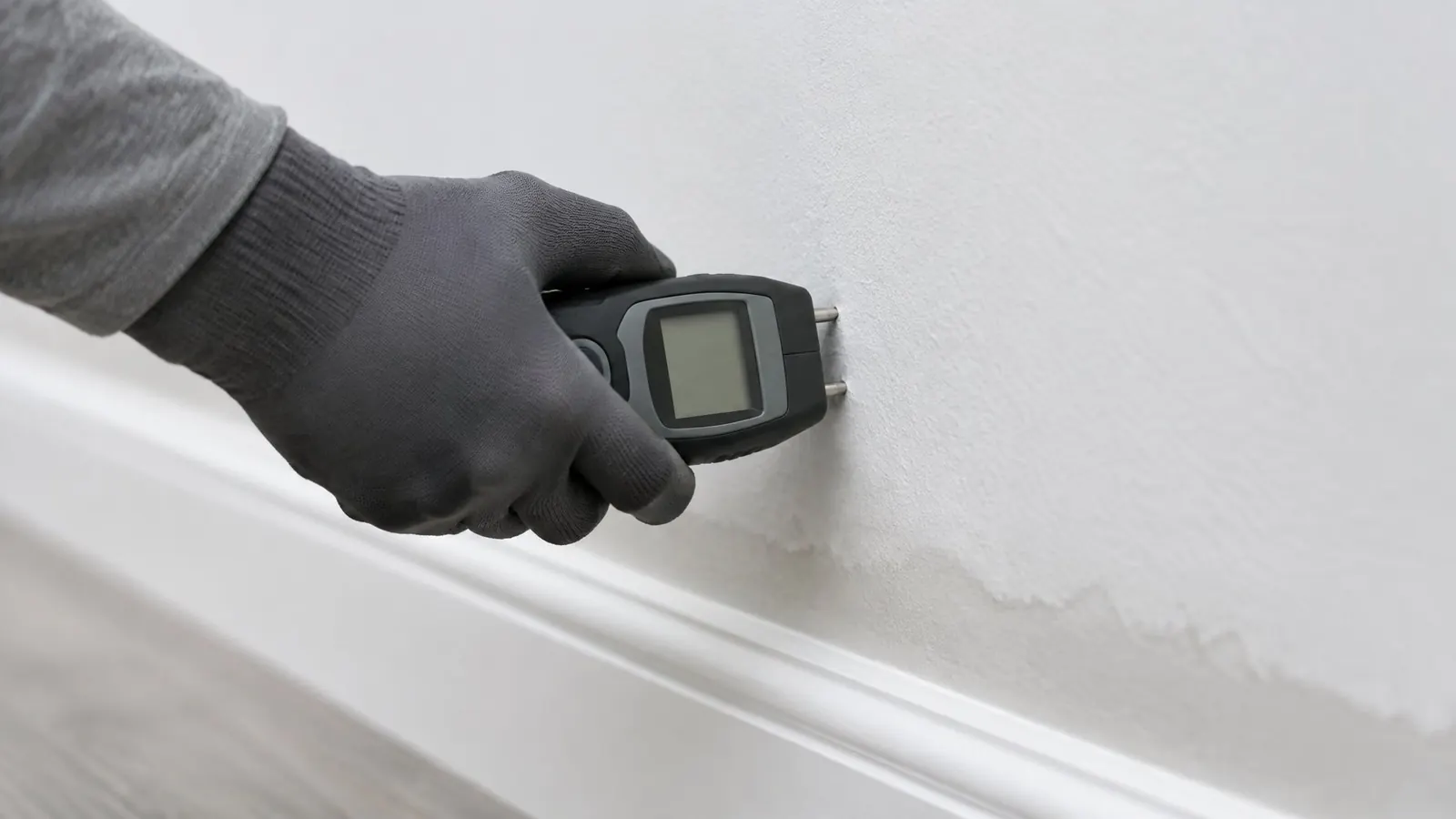
Why the floor looking dry means little
Truck-mounted or portable extractors pull standing water out of carpet and off hard floors. That removes most of the volume. What is left sits inside pad, subfloor, drywall paper, insulation and the bottom plate of each wall.
Structural drying deals with that hidden water. Air movers keep air flowing across wet surfaces, dehumidifiers pull the moisture out of the room air, and the contractor takes readings in the same spots each visit. In winter a closed-up Minnesota house can dry well, because heated indoor air holds moisture that the dehumidifiers then collect.
Step by step
On drying day one
Mapping
The contractor checks floors and walls with meters and marks where the wet edge stops.
Extraction
Standing water comes out first, from carpet, pad and hard floors.
Removal
Pad that cannot be saved, swollen baseboard and wet drywall below the line may be taken out.
Setup
Air movers go along the walls and dehumidifiers go in the middle, plugged into separate circuits.
Log
Readings are written down so you can see the numbers drop day by day.
Questions
Water Extraction & Drying: common questions
Can I leave the equipment off at night?
It is meant to run continuously. Switching it off lets moisture creep back into the materials. If the noise or the power draw is a problem, tell the contractor; they can sometimes change the setup.
Does the heat need to be on?
Usually yes. A warm, closed house helps the dehumidifiers. The contractor may ask you to keep a steady temperature and the windows shut in cold weather.
Can carpet be saved?
Sometimes, when the water was clean and it is caught early. The pad underneath is usually replaced. Carpet soaked by sewage is thrown out.
Related
Often comes with
- Water Damage RestorationLeak found, water stopped, now what? Extraction, drying and putting the rooms back together.
- Flooded Basement CleanupSnowmelt, a storm or a failed sump: water pumped out, belongings moved, the basement dried.
- Mold RemediationSpots on a basement wall or behind a cabinet: moisture found, growth removed, the area dried.
Basement, ceiling, smoke or mold
Talk it through with a local restoration contractor
A single call reaches an independent contractor who handles water, fire and mold jobs around Minneapolis. They will ask questions, may come out to look, and give you their own price. Hiring them is your choice.
Water where it shouldn't be?
The call goes to an independent restoration contractor that takes jobs in Minneapolis and the nearby suburbs. Have the source, the wet rooms and the start time in mind.
Call (612) 471-0822Calls may be recorded. How the line is paid: referral disclosure. How call data is handled: privacy.