Restoration
Water damage restoration in Minneapolis
A pipe let go, a toilet overflowed or water came through the ceiling. Call and you will speak with an independent restoration contractor that works in Minneapolis homes.
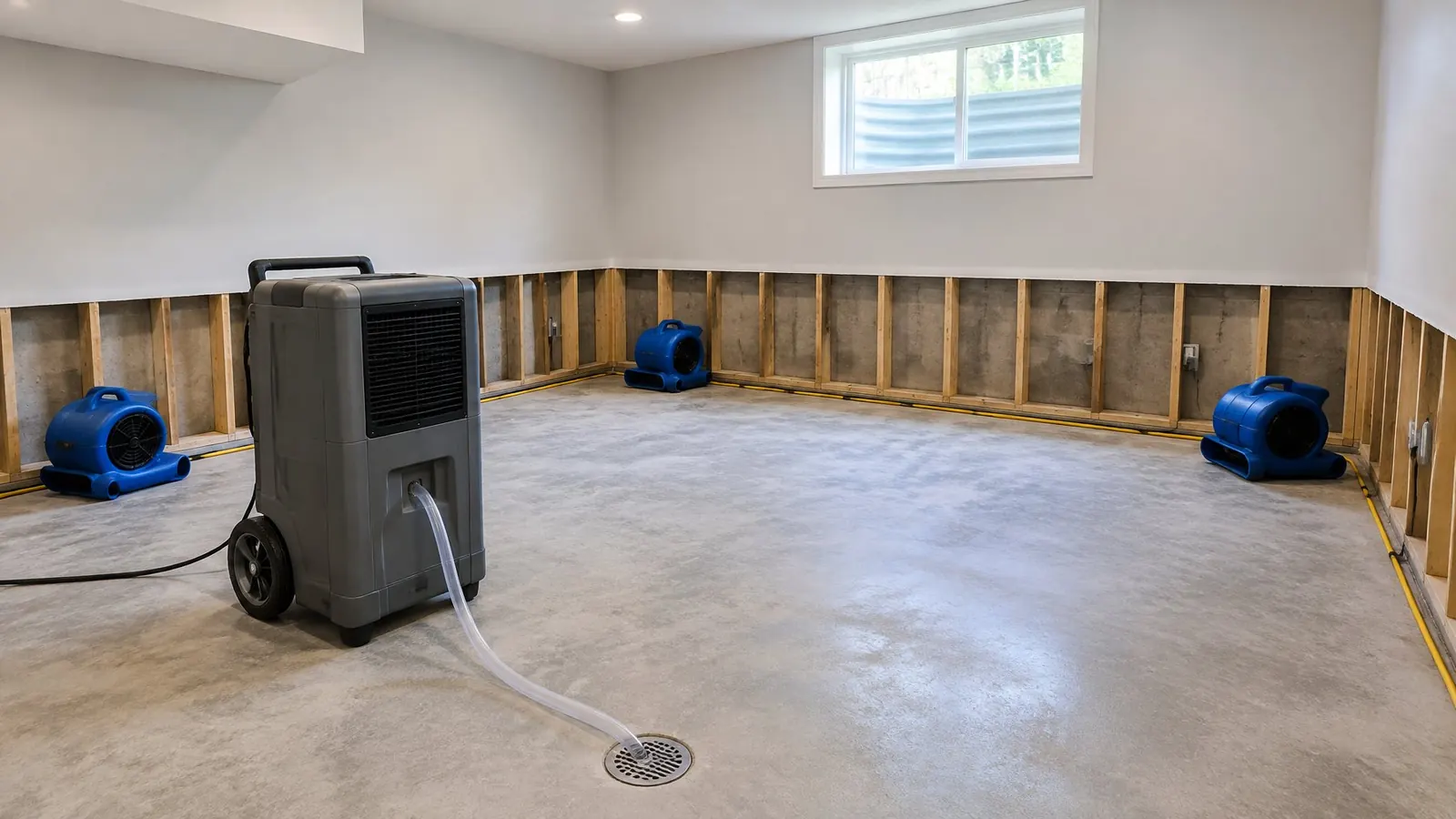
Three jobs hiding inside one
Restoration sounds like one task. In practice it is three, done in order. The water has to be removed, the building has to be dried to its normal moisture level, and then damaged materials are rebuilt. Skipping ahead to the rebuild is how mold ends up sealed inside a wall.
Drying takes the patience. Plaster, drywall, subfloor and old wood framing soak up more than they show. A contractor will use moisture meters to map what is wet, set up air movers and dehumidifiers, and check the readings each day until they settle.
Step by step
What the contractor will want to know
Where it came from
A supply line, a drain, the roof, the sewer or the ground. The source decides how the water is treated.
How long it ran
Minutes versus days changes what can be saved. A rough time is enough.
Which rooms and floors
Upstairs leaks travel down. Mention every ceiling stain and every damp spot below the first one.
What the house is made of
Plaster walls, hardwood floors and finished basements dry differently from drywall over concrete.
Whether power is safe
Water near the panel, outlets or a furnace means staying out until the electricity is dealt with.
Pricing
What moves the price
This site never sees or sets a price. These are the things a contractor weighs.
- Size of the wet area
- More square feet means more equipment and more material to remove.
- Water category
- Clean supply water costs less to handle than gray water, and sewage needs protective gear and disposal.
- Drying days
- Equipment is usually billed per day. Dense materials and cold, damp basements take longer.
- Tear-out
- Carpet pad, baseboard and the lower part of drywall often have to go so the cavities can dry.
- Rebuild scope
- Some firms only dry. Others replace drywall, flooring and trim, which is a separate stage.
Questions
Water Damage Restoration: common questions
How long does drying usually take?
Several days of equipment for an ordinary room soaked by clean water. Basements, hardwood and plaster often need longer. The meter readings decide when it is finished, not the calendar.
Do I have to move out?
Usually not for a single room. Sewage, heavy smoke, or losing the only bathroom or the heat can change that. Ask the contractor once they have looked.
Will the walls be opened?
Often the bottom of the drywall is cut away so the cavity behind can dry and be checked. Plaster walls are sometimes drilled instead. Ask what will be removed and why before it happens.
Related
Often comes with
- Water Extraction & DryingStanding water pumped out, then air movers and dehumidifiers until the readings come back normal.
- Frozen & Burst PipesA pipe split in the cold. Water off, then cleanup, drying and opening walls where needed.
- Flooded Basement CleanupSnowmelt, a storm or a failed sump: water pumped out, belongings moved, the basement dried.
Basement, ceiling, smoke or mold
Talk it through with a local restoration contractor
A single call reaches an independent contractor who handles water, fire and mold jobs around Minneapolis. They will ask questions, may come out to look, and give you their own price. Hiring them is your choice.
Water where it shouldn't be?
The call goes to an independent restoration contractor that takes jobs in Minneapolis and the nearby suburbs. Have the source, the wet rooms and the start time in mind.
Call (612) 471-0822Calls may be recorded. How the line is paid: referral disclosure. How call data is handled: privacy.